
Mobile App Development Services for iOS, Android & Cross-Platform
Creatricx provides mobile app development services for businesses that need a complete iOS, Android or cross-platform product, an MVP, or additional mobile development capacity inside an existing team.
We support the path from discovery and UI/UX design through development, backend integrations, testing, store preparation and post-release improvement.
Choose native iOS app development, native Android app development, or cross-platform app development with Flutter or React Native based on product requirements, platform-specific features, maintenance needs and the long-term roadmap.
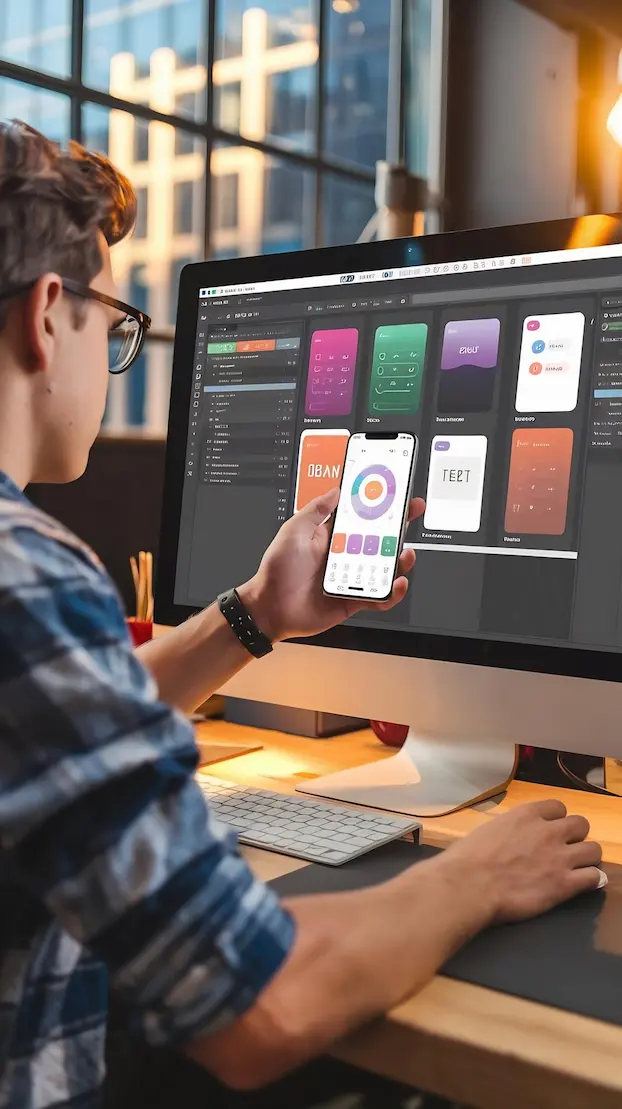

Mobile App Development Services We Provide
Creatricx supports planning, UI/UX, native and cross-platform development, integrations, testing, launch and ongoing support.
The right delivery route depends on your users, product requirements, existing systems and first-release priorities.
- App discovery and product planning
- iOS and Android app development
- Flutter and React Native development
- MVP app development
- Backend, APIs and integrations
- Testing, release and post-launch support
Choose the Right Mobile Development Route
Evaluate each service against the product you are building and the business outcome you need to support.
| Service | What It Covers | Best Fit |
|---|---|---|
| App Discovery and Product Planning | Business goals, user roles, journeys, feature priorities, technical dependencies, success measures and first-release scope. | New products, unclear requirements, MVP planning and app rebuilds. |
| iOS App Development | iPhone and iPad application development, platform-specific UX, APIs, authentication, notifications and Apple release preparation. | Products where Apple-platform performance or iOS-specific capabilities matter. |
| Android App Development | Android application development, device compatibility, APIs, authentication, notifications and Google Play preparation. | Products with a strong Android audience or Android-specific requirements. |
| Cross-Platform App Development | Shared-code mobile products using Flutter or React Native where the product is suitable for a cross-platform approach. | Teams that want iOS and Android coverage with a shared development approach. |
| MVP App Development | A focused first release with the core flows needed to validate a product idea, workflow or customer need. | Startups, new digital products and businesses testing a mobile use case before expanding scope. |
| App Integrations | CRM, ecommerce, booking, payment, database, analytics, notification and third-party service connections. | Apps that must exchange data or trigger workflows across existing business systems. |
| Post-Launch Support | Bug fixes, compatibility updates, performance improvements, release updates and feature iteration. | Products that need ongoing stability and roadmap development after launch. |
Native vs Cross-Platform App Development
There is no universal winner between native and cross-platform development. The better choice depends on required device capabilities, performance profile, interface complexity, release strategy, engineering resources and the long-term maintenance plan.
| Decision Factor | Native: Swift / Kotlin | Cross-Platform: Flutter / React Native |
|---|---|---|
| Codebase | Separate iOS and Android implementations. | A larger share of application code can be shared across platforms. |
| Platform-Specific Control | Strongest direct access to each platform's native APIs and conventions. | Can access native capabilities, although some features may require platform-specific modules or code. |
| Performance-Sensitive Features | Often preferred where a product depends heavily on complex platform-specific behavior or demanding native capabilities. | Suitable for many business, ecommerce, SaaS, booking and service applications when requirements fit the framework. |
| UI Consistency | Can tailor behavior deeply to each operating system. | Can maintain a highly consistent product experience across platforms. |
| Engineering Effort | Requires maintaining two native platform implementations when both platforms are supported. | Can reduce duplicated application work by sharing a larger portion of the codebase. |
| Best Decision Rule | Choose native when platform-specific requirements justify separate development. | Choose cross-platform when shared delivery is practical without compromising critical product requirements. |
iOS, Android, Flutter and React Native
Framework choice should follow confirmed product requirements, integrations and platform needs rather than a technology preference.
iOS App Development
Use iOS app development when the application needs a strong Apple-platform experience, iPhone or iPad-specific behavior, or deeper alignment with iOS conventions.
The project can include UI implementation, APIs, authentication, notifications, data handling, testing and App Store release preparation.
Android App Development
Use Android app development for applications targeting Android users across the broader device ecosystem.
The work can include device compatibility, APIs, authentication, notifications, testing and Google Play release preparation.
Flutter App Development
Flutter app development can be suitable when a business wants a cross-platform application with a shared codebase and consistent interface across iOS and Android.
The required native capabilities and integrations should be confirmed before selecting the framework.
React Native App Development
React Native app development can suit cross-platform products where shared JavaScript or TypeScript-oriented development fits the existing technology environment and platform requirements.
MVP App Development
MVP app development focuses the first release on the smallest coherent product that can test the key user journey or business assumption.
Core flows and learning value are prioritized before expanding into the wider roadmap.
Backend, APIs and Third-Party Integrations
A mobile app is often only the visible part of a larger digital product. Authentication, user data, business rules, payments, notifications, analytics and external systems usually depend on backend services and APIs.
Where broader platform or server-side development is required, our custom software development capabilities can support the mobile client.
| Integration Area | What Needs to Be Planned |
|---|---|
| Authentication and User Accounts | Login method, account creation, password and reset flows, social sign-in where used, roles, permissions and session handling. |
| Backend / Application APIs | How the app reads and writes data, validates actions, handles errors and connects to business logic. |
| Payments / Commerce | Payment provider, purchase flow, subscriptions or ecommerce integration, security requirements and platform rules. |
| Push Notifications | Notification provider, permission flow, messaging logic, deep links and user controls. |
| CRM / Booking / Business Systems | Data mapping, API availability, synchronization rules, ownership and failure handling. |
| Analytics | Product events, conversion events, consent and privacy requirements, and the questions the business needs to measure. |
| Cloud / Databases | Data model, hosting approach, scaling expectations, backup and recovery considerations, and access controls. See our Cloud Solutions capabilities where infrastructure support is required. |
How We Take an App From Discovery to Release
Important product, technical and integration decisions are resolved early enough to guide design and development rather than being discovered at the end of the build.
Discovery and Product Scope
Clarify users, core jobs, business goals, user roles, must-have features, integrations, platform requirements and first-release priorities.
UX Mapping and UI Design
Map main journeys, screen requirements, states and interactions before development. Create interface designs and prototypes that make expected behavior clear to stakeholders and developers.
Technical Architecture
Define the native or cross-platform approach, backend and API requirements, data model, authentication, integrations, analytics, notifications and hosting or cloud dependencies.
Development and Integration
Build the mobile interface, application logic, APIs and required integrations in planned increments so important flows can be tested before the full release is assembled.
QA and Release Readiness
Test core journeys, validation, permissions, edge cases, device behavior, integrations, error handling and release builds before production submission.
Store Release and Post-Launch Monitoring
Prepare release assets and builds, support App Store and Google Play submission, monitor early production behavior and prioritize fixes or improvements after launch.
App Testing, Store Release and Security
Production readiness includes more than confirming that screens render correctly. Critical workflows, platform requirements, data handling and release configuration must all be considered.
Functional and Device Testing
Test important user flows across relevant devices, screen sizes and operating-system versions.
- Authentication and accounts
- Payments and forms
- Integrations and connectivity changes
- Permissions and failure states
App Store and Google Play Readiness
Release preparation can include signing and build configuration, production environment checks, store listing assets and information, privacy disclosures, testing status and submission support.
Apple and Google control their own review requirements and approval decisions, so approval timing or acceptance cannot be guaranteed.
Mobile Security and Privacy
Security requirements depend on the app and the data it handles.
- Authenticated access and role permissions
- Transport security and secure storage choices
- Backend authorization
- Responsible logging and secrets management
- Privacy-aware analytics
Accessibility and Usability
Where included in scope, reviews can consider text readability, touch targets, focus and interaction clarity, screen states and other practical accessibility and usability concerns.
Analytics, Monitoring and Product Iteration
Launching an app is the beginning of production learning. Monitoring helps teams understand stability, user behavior, performance and the business outcomes the product was built to support.
| Monitoring Area | What to Review | Why It Matters |
|---|---|---|
| Crash / Error Monitoring | Production crashes, error patterns and affected app versions or devices where monitoring is configured. | Identify stability problems that may not appear during pre-release testing. |
| Product Analytics | Key actions, user journeys, feature usage, drop-off points and defined conversion events. | Understand how people actually use the product and where important journeys can improve. |
| Performance | Startup time, network and API behavior, and other app-specific performance indicators where tooling allows. | Detect friction that can affect user experience and retention. |
| Store Feedback | Ratings, reviews, release feedback and recurring support issues. | Identify product problems and expectations that become visible after launch. |
| Business Outcomes | Bookings, purchases, leads, subscriptions, operational actions or other agreed product goals. | Connect product iteration with the purpose the app was built to serve. |
Post-Launch Maintenance and App Growth
Mobile app maintenance services can support the product after release through bug fixes, operating-system compatibility work, dependency updates, performance improvements, release updates and planned feature enhancements.
Stability and Compatibility
Address production defects, compatibility issues and important changes introduced by new iOS or Android versions, SDKs and third-party integrations.
Store and Release Updates
Prepare new application builds, release notes and store submissions as fixes or features are approved for production.
Product Iteration
Use analytics, customer feedback, support issues and business priorities to decide which features or flows should be improved next.
Backend and Integration Maintenance
Monitor and update APIs or third-party connections when providers, authentication methods, data formats or business systems change.
When Maintenance Becomes New Product Development
Small fixes and compatibility updates are maintenance. Major workflows, platform expansion, architecture changes or large feature sets should be scoped as product development so expectations remain clear.
Mobile Apps for Different Business Needs
The mobile product should fit the workflow, audience and commercial or operational purpose it is being built to serve.
Startups and New Digital Products
Use MVP app development or a focused first release to validate the most important user journey before expanding the roadmap.
SaaS and Software Products
Extend an existing software platform to mobile through customer apps, companion apps, mobile dashboards or role-specific workflows.
E-Commerce and Retail
Support shopping, account access, loyalty, repeat purchases, notifications and mobile commerce journeys integrated with the existing store and backend.
Service and Booking Businesses
Create mobile booking, account, support or service-delivery journeys connected to scheduling, CRM, payment or internal systems.
Internal Operations and Field Teams
Build internal applications for data capture, tasks, field workflows, approvals, records or role-specific operational processes.
Complete App Delivery or Dedicated Mobile Specialists
Creatricx supports both complete mobile product delivery and additional mobile development capacity inside an existing team.
The engagement route should be selected based on whether you need a finished product outcome or extra engineering capacity.
Explore Dedicated DevelopersComplete Product Delivery
- Discovery and planning
- UI/UX and development
- Backend and integrations
- Testing and release support
Dedicated Mobile Specialists
- iOS developers
- Android developers
- Flutter developers
- React Native developers
Supporting Specialists
- Product and UI/UX designers
- Backend developers
- QA engineers
- Cloud and DevOps specialists
How to Choose a Mobile App Development Company
When comparing a mobile app development company, look beyond the number of frameworks in its technology list. A useful partner should be able to explain product scope, platform choice, backend and integration architecture, testing approach, store-release responsibilities and the post-launch support model.
Creatricx positions its mobile app development services company offering around both complete app delivery and access to dedicated mobile specialists.
| Buyer Question | What a Useful Answer Should Cover |
|---|---|
| Why native or cross-platform? | Specific product requirements and tradeoffs, not a framework preference presented as strategy. |
| Who owns backend and API work? | Clear responsibility for mobile frontend, backend services, integrations and environments. |
| Who handles store submission? | Release build, signing, store information, submission support and any client-owned accounts or approvals. |
| How will the app be monitored? | Crash and error monitoring, analytics, key product events and a post-release review process where included in scope. |
| What happens after launch? | Maintenance, compatibility work, bug fixes, release updates and how new feature development is scoped. |
Technologies We Work With
The technology stack is selected around product requirements, integrations and long-term maintainability.
Frequently Asked Questions
Answers about platform selection, MVPs, integrations, release support, security, maintenance and ownership.
What do mobile app development services include?
Mobile app development services can include product discovery, UI/UX, iOS or Android development, cross-platform development, backend and API work, integrations, testing, store-release support and post-launch maintenance, depending on the agreed scope.
Should I choose native or cross-platform app development?
Native development is useful when platform-specific behavior, APIs or technical requirements justify separate iOS and Android implementations. Cross-platform app development can be a strong fit when a shared codebase can meet critical product requirements without compromising important platform behavior.
Do you provide Flutter app development?
Yes. Flutter app development is part of the Creatricx mobile technology scope and can be selected when the product requirements fit a Flutter-based cross-platform approach.
Do you provide React Native app development?
Yes. React Native app development is part of the documented scope. The framework should be chosen after reviewing product integrations, native requirements and the existing technology environment.
Can you build an MVP before the full app?
Yes. MVP app development can focus the first release on the essential user journey or business assumption so the product can be validated before the roadmap is expanded.
Can the app connect with our CRM, website or ecommerce platform?
Yes, where the relevant systems provide suitable APIs or integration routes. Discovery should confirm data flows, authentication, ownership, synchronization requirements and failure handling before development.
Do you help with App Store and Google Play submission?
Creatricx can support store-release preparation and submission. Apple and Google control their review processes, so approval timing or acceptance cannot be guaranteed.
How do you handle app security and privacy?
Security planning depends on the data and workflows involved. It can include authenticated access, permissions, transport security, secure storage decisions, backend authorization, responsible logging and privacy-aware analytics.
How do you monitor an app after launch?
Where monitoring is included, the team can review crash and error data, product analytics, performance indicators, store feedback and key business events to prioritize fixes and product improvements.
Do you provide mobile app maintenance services?
Yes. Mobile app maintenance services can include bug fixes, compatibility updates, release support, performance improvements, integration maintenance and feature iteration according to the agreed support scope.
How long does mobile app development take?
Timeline depends on the number of user roles, screens, platforms, backend requirements, integrations, design complexity, testing needs and store-release preparation. A focused MVP is generally simpler than a multi-role product with payments, notifications, complex integrations and separate native applications.
Who owns the app and source code?
Ownership and licensing should be defined in the project agreement, including application source code, third-party components, design assets, store accounts and backend infrastructure. Contractual ownership terms should take precedence over generic website statements.
Ready to Plan Your Mobile App?
Share the product idea, users, target platforms, core workflows and required integrations.
Creatricx can help define the right route across native or cross-platform mobile app development services, MVP scope, backend architecture, release preparation and post-launch support.